

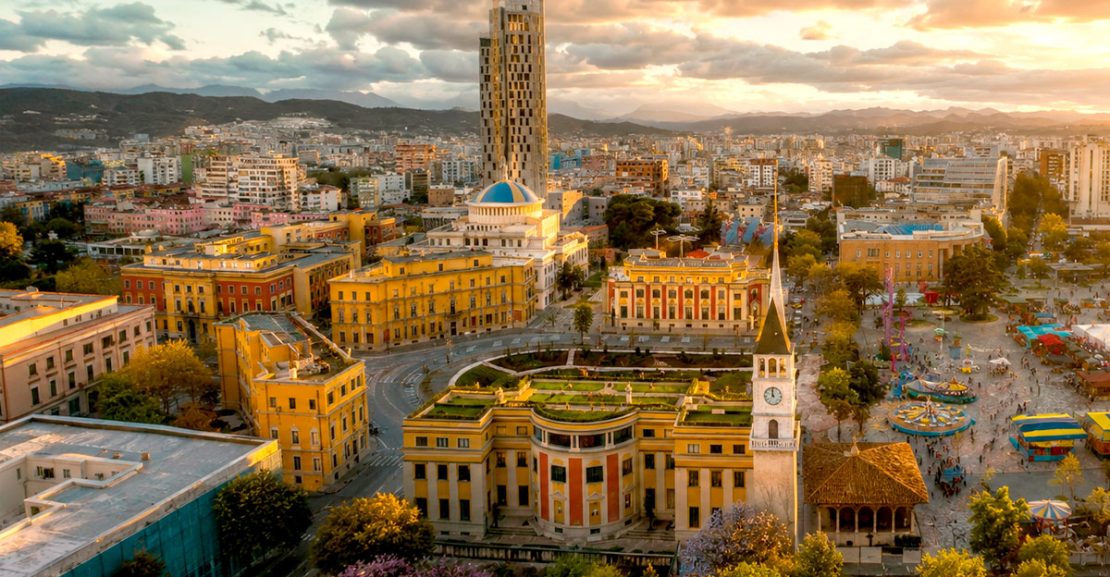
Have you ever wanted to spend a full day in a capital city without rushing from landmark to landmark, checking maps every ten minutes, or standing in noisy tourist crowds? Tirana has a completely different rhythm waiting behind its busy streets and colorful façades. Between the cafés filled with morning conversations, pine trees swaying around the lake, and long dinners that stretch deep into the evening, the Albanian capital reveals itself slowly.
Many travelers arrive expecting traffic, noise, and fast-moving city life. What often surprises them is how naturally Tirana invites people to slow down. A quiet bench beside the water, the scent of espresso drifting from a small café, warm light reflecting on painted apartment blocks — these details shape the atmosphere of the city far more than famous landmarks.
This guide follows a calm, unhurried route through Tirana for travelers who enjoy observing local life, wandering without strict plans, and discovering places that feel genuine rather than staged for tourism.
Book cheap car rental in Tirana
Start with a Slow Morning in Grand Park
Morning is when Tirana feels most balanced. Before traffic thickens and cafés fill with lunchtime crowds, the southern side of the city offers a softer atmosphere around the Grand Park, known locally as Parku i Madh. The area surrounds the Artificial Lake, called Liqeni Artificial in Albanian, one of the favorite outdoor spaces for local residents.
Tall pine trees filter the sunlight, runners move quietly along the paths, and elderly locals sit on benches discussing politics over tiny cups of coffee. The air near the lake often feels noticeably cooler than the center of the city, especially during warmer months.
Coffee by the Lake
A lakeside café is one of the best places to begin the day slowly. In Albania, ordering a macchiato is almost a ritual rather than a quick caffeine stop. The local version usually comes strong, creamy, and served in smaller cups than many visitors expect.
Tables near the water fill gradually during the morning. Students arrive with books, couples share breakfast pastries, and cyclists stop for coffee before continuing around the park trails. Conversations tend to last longer here, giving the entire area a calm social energy.
Traditional Albanian breakfasts are simple but comforting. Fresh bread, white cheese similar to feta, olives, honey, and warm byrek — a flaky pastry often filled with cheese or spinach — appear in many cafés around the park.
A Mindful Stroll Under the Pines
The shaded walking paths around Liqeni Artificial create a completely different side of Tirana compared to the dense urban center. Birds move through the pine branches, paddle boats cross the lake slowly, and the sound of traffic fades behind the trees.
Walking here without a strict destination feels natural. Some trails curve toward hidden benches overlooking the water, while others lead to open grassy areas where local families gather on weekends. Street musicians occasionally appear near the busier entrances, adding soft guitar melodies to the atmosphere.
Locals often use the park as an extension of their living room. Friends meet for long conversations, retirees play dominoes under shaded corners, and dog owners stop to chat while their pets explore the paths. Spending time here offers a quiet introduction to everyday life in Tirana before exploring the city itself.
Discover Tirana’s Quiet Culture
Tirana’s history carries layers from Ottoman rule, Italian influence, communism, and modern transformation. Many cultural spaces in the city reflect those contrasts through architecture, underground bunkers, and unusual public art.
Instead of trying to visit every museum in a single afternoon, focusing on a few atmospheric locations creates a far more memorable experience. Tirana rewards curiosity more than speed.
The Art and Silence of Bunk’Art 2
Bunk’Art 2 sits beneath the streets near Skanderbeg Square, hidden inside a former nuclear bunker built during Albania’s communist period under Enver Hoxha. The entrance itself feels understated, but the atmosphere changes immediately after stepping underground.
Cold concrete corridors stretch through narrow chambers once designed for political protection during the Cold War. Today, those rooms contain photographs, documents, recordings, and installations explaining the surveillance systems and fears that shaped Albania during the twentieth century.
The silence inside the bunker becomes part of the experience. Thick walls absorb sound, footsteps echo softly through the halls, and dim lighting creates an almost cinematic mood. Visitors often speak quietly without realizing it.
For travelers unfamiliar with Albanian history, the museum also provides valuable context about how isolated the country remained for decades compared to much of Europe.
Colorful Architecture as Therapy
Walking through central Tirana reveals another side of the city’s transformation. During the early 2000s, artist and politician Edi Rama encouraged the repainting of dull communist-era apartment blocks using bright colors and geometric patterns.
Pastel yellows, deep reds, turquoise walls, and painted abstract shapes began appearing across entire neighborhoods. The project changed the emotional atmosphere of the city and became one of Tirana’s most recognizable visual identities.
Exploring these streets without a strict route turns the city itself into an open-air gallery. Laundry hangs above colorful balconies, small grocery stores spill onto sidewalks, and older residents sit outside apartment entrances watching daily life unfold.
Late afternoon sunlight makes the colors even richer, especially around residential districts slightly outside the main tourist areas.
Indulge in the Albanian Art of “Xhiro”
One of Albania’s most beloved social traditions is called xhiro — an evening walk shared with friends, family, or neighbors before dinner. The word comes from the Italian giro, meaning “a turn” or “a walk,” but in Albania it represents far more than simple movement through the streets.
As the sun begins to set, Tirana gradually changes pace again. People leave offices, cafés fill with conversation, and entire neighborhoods seem to flow outdoors together.
Café Hopping in Blloku
Blloku was once a restricted district reserved for communist elites and government officials. Today, it has evolved into one of Tirana’s liveliest neighborhoods, filled with trees, stylish cafés, cocktail bars, bookstores, and outdoor terraces.
Despite its popularity, Blloku still holds plenty of quieter corners. Side streets lined with plants and small patios create ideal spaces for lingering over coffee or fresh juice during the evening hours.
Albanian café culture moves slowly. Tables remain occupied for long stretches, waiters rarely rush guests, and conversations continue naturally from afternoon into night. Locals often order several coffees over the course of a single meeting while discussing politics, football, travel, or family news.
Walking through Blloku during xhiro offers an easy way to observe Tirana’s social rhythm. Fashionable young residents pass older couples strolling arm in arm, music drifts from hidden courtyards, and scooters weave carefully through narrow streets lit by warm café lights.
Unwind with Authentic Slow Food
Dinner in Tirana often becomes the longest and most relaxed part of the day. Meals arrive gradually, conversations expand, and restaurant terraces stay lively well into the night.
Traditional Albanian cuisine combines Mediterranean ingredients with Balkan and Ottoman influences. Fresh herbs, grilled vegetables, yogurt sauces, olive oil, and slow-cooked meats appear throughout many classic dishes.
Farm-to-Table Tastes
One of Albania’s best-known comfort dishes is tavë kosi, baked lamb with yogurt and eggs served in clay dishes. The texture becomes creamy and rich while the top develops a golden crust inside the oven. Many traditional restaurants prepare it using family recipes passed through generations.
Fresh village cheese, roasted peppers, homemade pickles, and seasonal salads usually accompany the meal. Local wines from Albanian vineyards have also gained increasing attention in recent years, especially varieties produced near Berat and the southern regions of the country.
Long dinners in Tirana rarely feel formal. Restaurant owners often move between tables speaking with guests, servers recommend homemade desserts, and the atmosphere stays warm rather than polished or theatrical.
By the end of the evening, Tirana feels far quieter than it did in the morning. Streets empty gradually, music softens behind café doors, and warm lights reflect across the city’s colorful buildings. Spending a relaxed day here leaves a very different impression from the fast-moving European capitals many travelers expect — one shaped by conversation, atmosphere, and the simple pleasure of slowing down long enough to notice the details.