

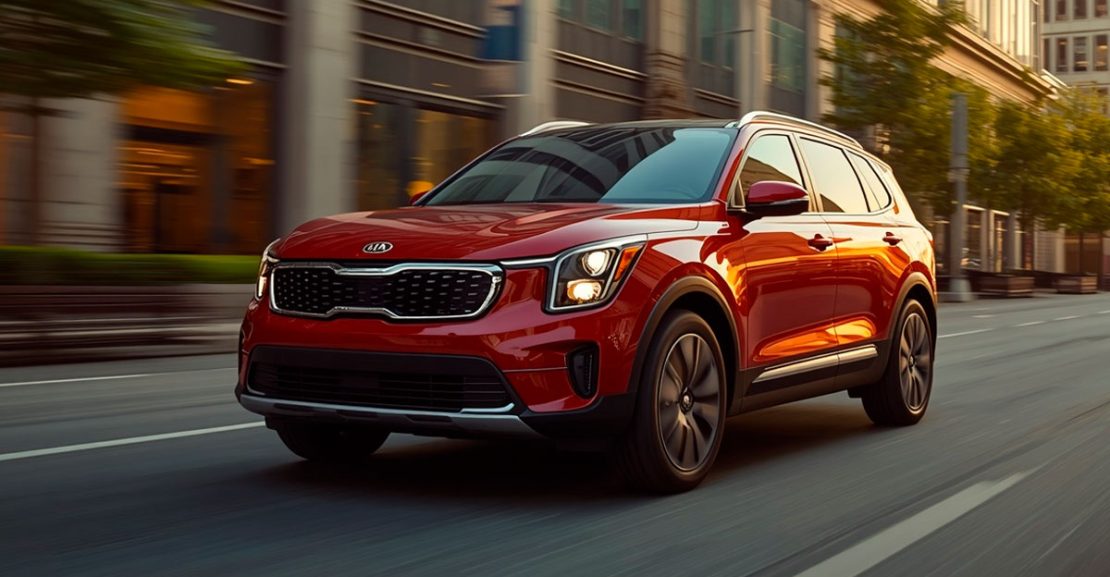
Planning to drive in Tashkent for the first time? We put together this guide to help you understand what awaits on the roads of Uzbekistan’s capital before you turn the key and set off. Wide avenues, busy intersections, rapidly developing districts, and growing traffic volumes all shape the driving experience here. Knowing a few local specifics in advance can make your first hours behind the wheel much more comfortable.
Many visitors are surprised by the scale of the city. Distances between neighborhoods are often greater than they appear on a map, and traffic conditions can vary considerably depending on the time of day and the area you are crossing. Some roads feel spacious and easy to navigate, while others demand quick decisions and careful lane selection.
This guide focuses on practical information rather than sightseeing. You will learn what traffic patterns to expect, how major junctions operate, where extra attention is required, and what preparations are worth making before leaving the city for a longer road trip. A little local knowledge goes a long way when exploring Tashkent by car.
Navigating the Capital: Traffic Flow and Infrastructure
Road conditions across Tashkent are generally good, especially on the city’s main arteries and recently upgraded sections. Wide lanes, modern lighting, and clear road markings make driving relatively straightforward in many parts of the capital.
The challenge comes from the volume of traffic rather than the condition of the roads themselves. Several major avenues carry a constant stream of vehicles throughout the day, and large intersections often require drivers to position themselves correctly well in advance. Missing the right lane can easily add extra minutes to a journey, particularly in unfamiliar districts.
Surviving Rush Hours on Major Avenues
Rush-hour traffic is most noticeable on weekday mornings and evenings. Congestion usually begins building between 7:30 and 9:30 a.m. as commuters head toward business districts, educational institutions, and government offices. A second busy period typically develops from around 5:00 to 7:30 p.m. when traffic flows in the opposite direction.
Major routes such as Amir Temur Avenue, sections of Nurafshon Street, and roads connecting central districts often experience the heaviest traffic during these periods. Travel times can increase significantly even on roads that appear clear outside peak hours.
Drivers unfamiliar with the city often benefit from checking navigation apps before departure rather than relying on estimated travel times. A route that looks direct on a map may not always be the quickest option during busy periods. Leaving slightly earlier or later than the main commuting wave can make a noticeable difference.
The Roundabout System and Turning Lanes
One feature that catches the attention of many foreign drivers is the way certain turns and U-turns are organized. Instead of turning immediately at an intersection, motorists are sometimes directed toward dedicated turning pockets located further along the road.
These specially designed areas help maintain traffic flow on major avenues while reducing delays at busy junctions. Paying attention to signs is important because missing the correct turning point may require continuing for some distance before another opportunity appears.
Large roundabouts remain an important part of the city’s road network. During periods of heavy traffic, selecting the proper lane before entering becomes particularly important. Vehicles often maintain a steady flow through these intersections, leaving little time for last-second adjustments.
Speed Cameras and Automated Radar Enforcement
Traffic enforcement in Tashkent relies heavily on modern monitoring technology. Cameras are installed across many major roads and frequently appear near intersections, pedestrian crossings, and important urban corridors.
These systems monitor speed limits, lane usage, traffic-light compliance, and other common violations. Drivers who remain attentive to road signs and lane markings rarely encounter problems, but assumptions based on previous speed limits can sometimes lead to unnecessary fines.
Speed restrictions may change as roads pass through different zones, so it is worth paying close attention even on familiar routes. Consistent observation of posted signs remains one of the easiest ways to avoid penalties and drive confidently throughout the city.
Local Driving Culture and Unwritten Road Rules
Driving culture in Tashkent has its own rhythm. Local drivers tend to move confidently when traffic conditions allow, and traffic often accelerates quickly once a light turns green or congestion begins to clear.
The horn is commonly used as a form of communication rather than confrontation. A brief signal may simply indicate a vehicle’s presence or draw attention to changing traffic conditions nearby. Visitors who understand this distinction usually adapt more quickly to local road dynamics.
Lane changes can happen with less warning than some drivers may expect. Keeping a comfortable following distance and regularly checking mirrors helps create more time to react. Patience and awareness are often more valuable than trying to match the pace of surrounding traffic.
Essential Checklist Before Hitting Uzbek Roads
Before starting any journey, make sure all required documents are available and valid. Depending on your nationality and driving licence, an International Driving Permit may be necessary. Insurance documents should also remain easily accessible whenever you are on the road.
Vehicle preparation deserves equal attention. Checking tire pressure, fuel levels, exterior lights, and windshield washer fluid takes only a few minutes and can help prevent avoidable interruptions later in the day.
Fuel stations are widely available throughout Tashkent and along major highways, though travelers planning longer journeys may find it useful to refuel before leaving the capital. Confirming the correct fuel type for your vehicle is always a good habit, particularly when driving a rental car.
Offline maps, a charged mobile phone, and basic emergency contact information can also prove useful when traveling beyond urban areas. Small preparations often make long-distance driving much more convenient.
Beyond the City Limits: Scenic Drives from Tashkent
Many of Uzbekistan’s most enjoyable road trips begin just outside the capital. As the urban landscape gradually gives way to open countryside, drivers gain access to some of the country’s most popular recreational destinations.
The route toward the Charvak Reservoir is a favorite choice for both visitors and locals. The scenery changes steadily along the way, replacing city streets with open views and distant mountain landscapes. During warmer months, the reservoir attracts travelers looking for fresh air, outdoor activities, and a welcome break from the pace of the city.
Roads leading toward the Chimgan Mountains offer another rewarding drive. The journey itself becomes part of the experience as the terrain begins to rise and the surrounding scenery grows increasingly dramatic. Early departures often provide lighter traffic and clearer views of the mountains.
With a well-prepared vehicle and a basic understanding of how traffic operates in the capital, leaving Tashkent behind becomes a straightforward part of the adventure. Whether the plan involves a short day trip or a longer journey across Uzbekistan, the roads beyond the city open the door to some of the country’s most memorable landscapes. Safe travels and enjoy every kilometer ahead.