

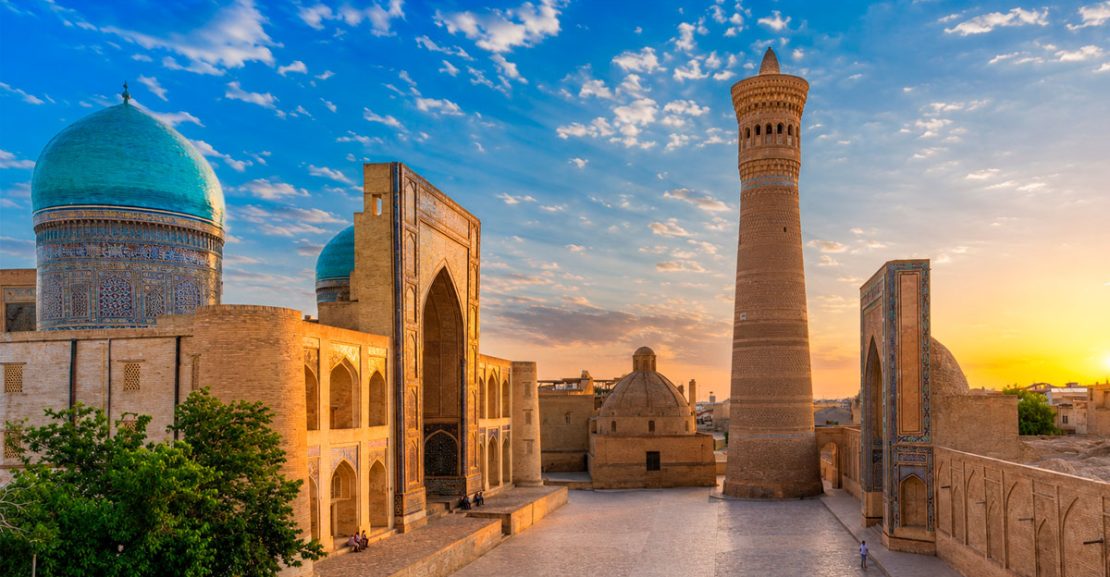
Golden sandstone facades, quiet courtyards hidden behind carved wooden doors, evening lights reflecting in the ponds near Lyabi-Hauz — Bukhara reveals itself differently when you arrive by car. Beyond the ancient walls, the region opens into desert landscapes, countryside fortresses, and historic summer palaces that are difficult to fully experience while relying only on taxis or guided routes. For travelers planning a comfortable journey across the city and surrounding areas, we recommend car rental in Bukhara. To make the trip more affordable, book your car today with Gurosun and save up to 30%.
Driving here feels surprisingly calm compared to many large tourist destinations. Major roads are easy to follow, distances between landmarks remain short, and most of the historic center was designed to encourage walking rather than heavy traffic. That balance creates a much more pleasant atmosphere for visitors: drivers stay close to the main sights while the architectural heart of Bukhara keeps its peaceful character intact.
Preserving Heritage: The Pedestrian Charm of the Old City
The historical center of Bukhara was never built for modern traffic. Narrow passages, centuries-old brickwork, and tightly connected madrassas belong to a cityscape created long before cars appeared. Instead of forcing vehicles into these fragile streets, local authorities shaped the area into a pedestrian-friendly cultural zone where visitors can enjoy the architecture without constant noise and congestion.
For travelers, this layout actually simplifies the experience. Roads around the old center remain accessible, parking areas sit close to the entrances, and nearly every major attraction can be reached within a short walk once the car is parked. The result feels organized rather than restrictive.
Eco-Zones and Pedestrian-Only Streets
Around Lyabi-Hauz and several neighboring landmarks, sections of the old city have gradually transformed into walking boulevards lined with tea houses, artisan workshops, and shaded seating areas. These changes help preserve delicate facades that have survived for centuries under the dry desert climate.
The atmosphere shifts noticeably once you step into these zones. Instead of engine noise and crowded intersections, visitors hear conversations from outdoor cafés, traditional music from courtyards, and the echo of footsteps through ancient trading domes. Evening walks become especially memorable after sunset, when warm lighting highlights the textured brick architecture across the historical quarter.
Because most pedestrian sections connect naturally with one another, exploring the center becomes straightforward even for first-time visitors. Drivers rarely need to move the car multiple times during the day.
Safe and Easy Navigation Around the Center
Main roads surrounding the historical district create a convenient ring around the old city. Drivers can quickly reach hotels, restaurants, museums, and shopping areas without navigating through maze-like residential alleys.
Modern navigation apps work well across Bukhara and usually guide visitors toward the correct access points near the pedestrian areas. Traffic volume stays relatively moderate outside peak tourist hours, which helps maintain steady movement around the center.
Several roads also connect directly toward the outskirts of the city, making day trips simple for travelers heading to places such as the Sitorai Mokhi-Khosa Palace or the desert routes beyond Bukhara Region.
Top Designated Parking Areas Near Bukhara’s Main Sights
Parking in Bukhara tends to be far easier than many travelers expect from a historical destination. Large visitor areas have been developed near the entrances to the old city, allowing drivers to leave vehicles close to the main attractions without spending time searching through residential streets.
Most parking zones remain active throughout the day and evening, especially near hotels and major tourist corridors. Short walking distances between parking areas and landmarks make sightseeing much more comfortable during hot weather seasons.
Secure Paid Parking Lots
Several guarded parking lots operate around the perimeter of the old city near Lyabi-Hauz, Poi-Kalyan, and the central tourism streets. These locations usually provide attendants, organized parking spaces, and constant vehicle activity throughout the day.
Visitors traveling with luggage or valuable equipment often prefer these monitored areas because cars remain visible and easily accessible. During busier travel seasons, arriving earlier in the morning helps secure spots closest to the pedestrian entrances.
Parking fees are generally reasonable compared to larger international tourist cities, and payment procedures remain uncomplicated for foreign visitors.
Hotel Parking Options
When choosing accommodation in Bukhara, hotel parking access deserves attention before booking. Some boutique hotels inside or near the historical quarter provide private courtyards or reserved spaces for guests arriving by car.
Properties located directly beside the old city walls often offer the most practical combination: quick access to sightseeing areas while still allowing direct vehicle entry. This setup becomes particularly convenient for travelers carrying larger suitcases or planning early departures toward other regions of Uzbekistan.
Many hotels also coordinate arrival instructions in advance through messaging apps. Staff members commonly assist guests by meeting them near access gates and helping transport luggage through pedestrian sections.
Essential Traffic Tips for a Comfortable Ride in Bukhara
Road conditions around the main tourist districts are generally manageable for visitors with basic city-driving experience. Street markings continue improving across central areas, though some older neighborhoods still feature narrower roads with limited lane separation.
Speed limits near historical sites and pedestrian-heavy streets remain lower than on outer roads. Drivers should pay close attention near crosswalks and market entrances where foot traffic increases throughout the day.
Residential mahallas sometimes contain compact streets originally designed for walking and bicycles rather than vehicles. Navigation apps usually suggest better alternatives around these sections, helping drivers avoid unnecessary turns or difficult parking situations.
Evening driving feels particularly comfortable during warmer months when temperatures drop and traffic becomes lighter. Many travelers prefer exploring nearby restaurants and night views of illuminated madrassas after sunset before returning to hotels.
Fuel stations remain accessible across the city, especially along larger connecting roads leading toward Samarkand and regional highways.
Seamless Hotel Arrival: Tips for Luggage Drop-Off
One of the most common concerns among travelers visiting historical cities involves reaching the hotel entrance with bags and suitcases. In Bukhara, this process is usually much simpler than expected when the route is planned correctly.
Before arrival, it helps to contact the hotel directly and confirm the nearest vehicle access point to the property. Some boutique hotels sit inside pedestrian sections while still maintaining designated unloading areas nearby.
Drivers typically approach the outer gates of the historical district, unload luggage close to the entrance, and then move the vehicle to a nearby parking area. Hotel staff frequently assist guests during this process and often provide carts or personal support for transporting heavier bags through the narrow stone pathways.
For evening arrivals, keeping the hotel contact number ready can save time, especially if temporary street adjustments or local events affect access routes around the old city.
Between Ancient Walls and Open Desert Roads
Bukhara rewards travelers who combine walking exploration with the convenience of having a car nearby. The city’s thoughtful balance between preservation and accessibility creates an experience that feels welcoming rather than complicated.
Ancient mosques, trading domes, quiet courtyards, and desert landscapes beyond the city become easier to discover when transportation remains flexible throughout the journey. With organized parking areas, practical hotel access, and clearly defined pedestrian zones, driving in Bukhara fits naturally into the rhythm of the city itself.