

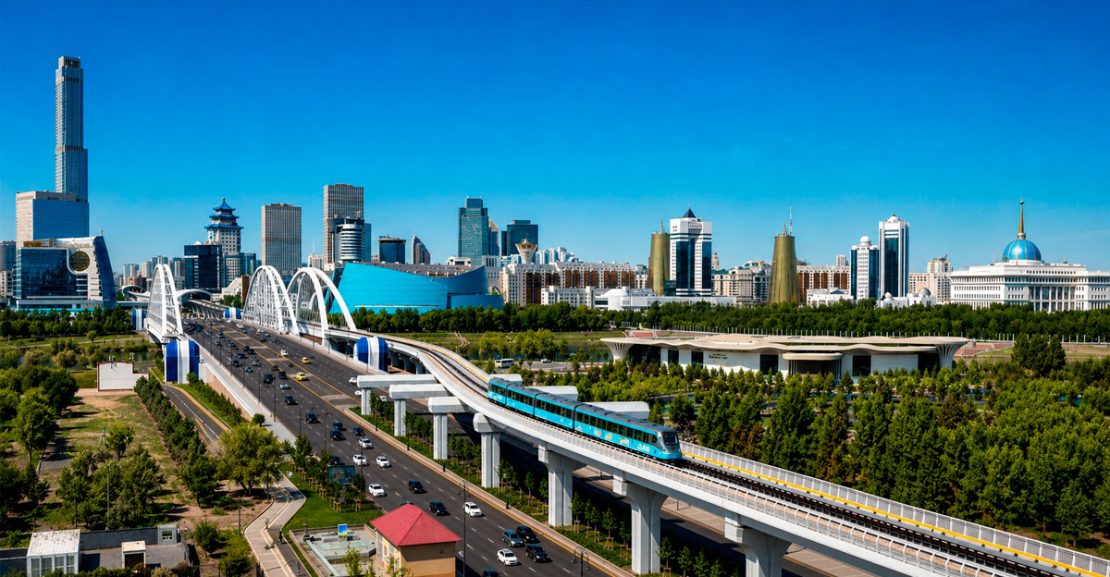
Getting around Astana by car can feel surprisingly different from driving in many other capitals. Long, multi-lane avenues stretch across large sections of the city, intersections are often wider than visitors expect, and traffic cameras operate with remarkable precision. A quick understanding of local road habits, parking rules, and seasonal driving conditions can save both time and money during your stay.
Speed Limits, Sergek Cameras, and Traffic Violations
Technology plays a major role in traffic enforcement throughout Astana. Instead of relying solely on roadside patrols, authorities use an extensive digital monitoring network that tracks vehicle movement across the city. Cameras observe speed, lane usage, intersection behavior, and other traffic violations day and night.
Drivers who arrive from countries with more relaxed enforcement often discover that local systems leave very little room for error. Even routine mistakes can be recorded automatically.
Zero Tolerance for Speeding
Most city streets operate under a speed limit of 60 km/h, while residential courtyards and areas between apartment buildings are generally limited to 20 km/h.
Wide roads can create the impression that higher speeds are acceptable, especially outside peak traffic hours. Road signs should always take priority over visual impressions. Exceeding the posted limit by only a small margin may still result in a fine because camera systems measure vehicle speed continuously across many sections of the road network.
Special attention is worth paying near schools, construction zones, and newly developed districts where speed limits may change over relatively short distances.
Bus Lanes and Yellow Box Intersections
Public transport receives dedicated road space on many major avenues. These lanes are usually marked with a large letter “A” and are reserved for authorized vehicles.
Sergek cameras monitor bus lanes around the clock. Entering one simply to bypass slower traffic can result in a penalty, even if the maneuver lasts only a short time.
Several busy intersections also feature yellow box markings painted directly onto the asphalt. These grids are designed to prevent vehicles from blocking cross traffic during congestion. Drivers should enter only when there is enough room to clear the intersection completely. Remaining inside the yellow box after traffic stops can trigger an automatic violation.
Paid Parking Systems and Local Regulations
Parking in central parts of Astana follows a structured system that may be unfamiliar to first-time visitors. Many regulated spaces look similar to ordinary roadside parking areas, making it important to pay attention to markings and nearby information signs.
Leaving a vehicle without checking the local rules can quickly become an expensive oversight.
Blue Lines and Digital Payments
Paid parking zones are commonly identified by blue markings on the pavement or by dedicated parking signs installed nearby. Once parked, drivers are expected to register and pay for the space using one of the available payment methods.
Cash collection is uncommon. Most payments are completed through mobile applications, SMS services, or parking terminals serving the surrounding area. The parking session should be activated within the permitted timeframe after arrival.
Checking the details on local signage remains important because payment hours and parking conditions may vary between districts.
Courtyard Barriers and Restricted Spaces
Residential complexes across Astana frequently control vehicle access through automated gates and barrier systems. Some entrances open only for residents, while others allow temporary access for registered visitors.
Vehicles parked too close to these entry points can interfere with daily traffic flow and create access problems for service vehicles. Tow trucks are regularly used when cars obstruct barrier systems, emergency routes, or specially designated access lanes.
Emergency vehicle spaces deserve particular attention. These areas must remain available at all times and are monitored closely in many residential districts.
Winter Driving Realities and Cold Weather Safety
Winter has a direct impact on how people drive in Astana. Road conditions can change dramatically within a few hours, especially during periods when temperatures move above and below freezing.
Drivers who adjust their habits to the season generally encounter far fewer difficulties than those who rely on warm-weather routines.
Black Ice and Ground Blizzards (Buran)
One of the most deceptive winter hazards is black ice. A road surface may appear completely normal while offering far less grip than expected. Bridges, overpasses, and exposed sections of roadway are especially vulnerable during sudden temperature drops.
Strong winds create an additional challenge. During a buran, snow can sweep across open roads and reduce visibility without heavy snowfall actually occurring. Conditions may remain clear in one part of the city and become noticeably more difficult only a few kilometers away.
Crosswinds deserve respect, particularly on bypass roads and open avenues where gusts can influence vehicle stability.
Local Winter Road Habits
Local drivers often leave considerably larger gaps between vehicles during winter than they would at other times of the year. Extra distance provides valuable reaction time when braking performance becomes less predictable.
Vehicle preparation also receives greater attention during snowy periods. Headlights, mirrors, windows, and license plates should be fully cleared before departure. Snow and ice can accumulate quickly, reducing visibility and making registration numbers difficult to read.
A short inspection before driving is considered normal practice throughout the colder months and helps avoid unnecessary stops along the way.
Final Checklist for a Safe Astana Trip
- Keep your low beams or daytime running lights switched on throughout the journey, regardless of daylight conditions.
- Make sure every passenger is wearing a seat belt before setting off, including those in the rear seats.
- Follow lane-direction signs carefully before attempting a left turn or U-turn, as many major avenues restrict these maneuvers.
- Use reliable local navigation apps and review lane guidance ahead of complicated intersections.
- Watch your speed on long, open avenues where it is easy to gain extra kilometers per hour without noticing.
- Verify parking requirements each time you leave your vehicle in a regulated zone.
- Increase following distance immediately when temperatures approach freezing.
- Carry winter windshield washer fluid and keep visibility equipment in proper working condition during the cold season.