

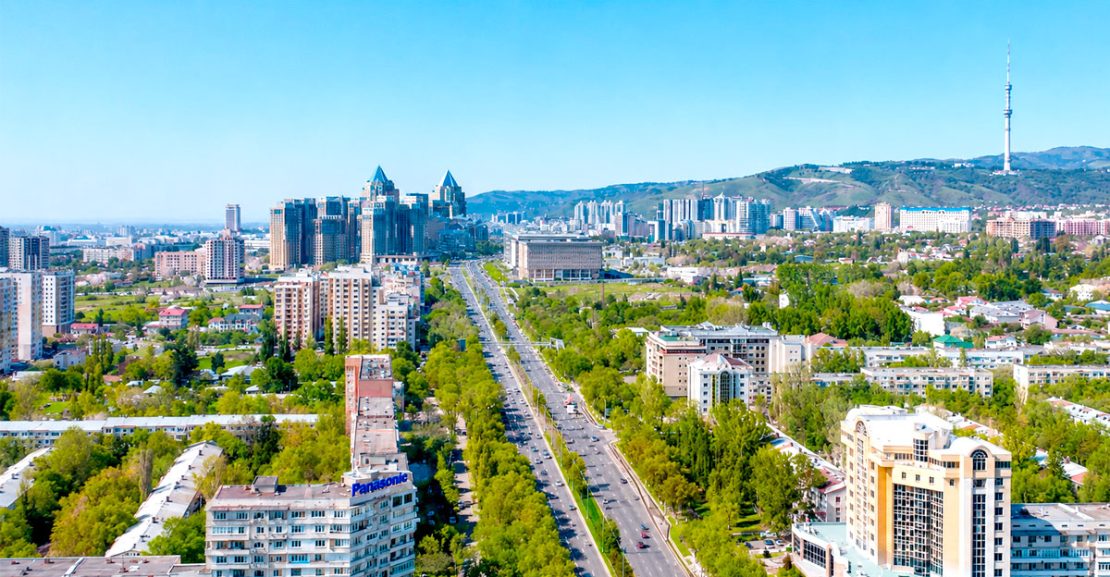
Almaty changes character depending on the hour. Early mornings carry the smell of fresh bread from neighborhood bakeries, while evenings bring long lines of headlights flowing beneath the snow-covered mountains. Driving here feels dynamic from the very first minutes behind the wheel. One street can be wide and modern, lined with glass office towers and shopping centers, while the next leads through older districts shaded by enormous trees planted decades ago.
For many visitors, Almaty becomes the starting point for mountain trips, lakes, ski resorts, and long drives across southeastern Kazakhstan. Yet the city itself deserves attention before the engine even leaves the urban area. Local driving habits, road quality, parking culture, weather changes, and traffic patterns all shape the experience in ways that surprise first-time visitors.
Understanding how the roads work in Almaty makes every drive easier, whether the plan includes a short route through the city center or a journey toward Medeu, Shymbulak, Charyn Canyon, or the open highways stretching toward the steppe.
Book Almaty car rental at affordable prices
What Traffic Feels Like in Almaty
Traffic in Almaty rarely stays predictable throughout the day. A route that takes fifteen minutes in the morning can suddenly require almost an hour after work hours begin. The city spreads across a large area, and many residents commute daily between residential districts and the business center.
The busiest roads usually become crowded between 8:00–10:00 AM and again from roughly 5:30–8:00 PM. Intersections around Abay Avenue, Al-Farabi Avenue, Raiymbek Avenue, and Dostyk Avenue often move slowly during peak periods. Drivers regularly change lanes, react quickly to traffic lights, and maintain a faster rhythm than visitors may expect during their first days in the city.
Mountain proximity also influences traffic flow. During weekends, large numbers of residents leave the city toward Medeu and Shymbulak. In winter, ski traffic creates long queues on uphill roads, especially after snowfall. Summer weekends bring similar movement toward lakes, hiking areas, and mountain viewpoints.
Despite congestion, navigation apps function well in Almaty and usually provide accurate arrival estimates. Local drivers rely heavily on real-time navigation because road conditions and traffic density can change very quickly.
Road Quality Across the City
The central districts of Almaty generally have good asphalt, visible lane markings, and modern intersections. Main avenues are wide compared to many older cities in the region, making long urban drives more comfortable.
Away from the center, road quality becomes less consistent. Some residential streets contain patched asphalt, uneven surfaces, or drainage covers sitting slightly above the road level. After winter, potholes may appear in areas with heavy traffic or repeated freeze-thaw cycles.
Mountain roads require more attention than city streets. Routes leading toward Medeu and Shymbulak include steep climbs, tight turns, and changing weather conditions. Rain can reduce visibility quickly, while winter ice creates additional difficulty even for experienced drivers.
Long-distance highways outside Almaty vary significantly. Certain sections feel modern and smooth for many kilometers, while others become rougher with sudden bumps or ongoing repairs. Fuel stations remain available on major routes, although distances between them become larger outside populated areas.
Driving During Winter in Almaty
Winter changes driving conditions dramatically. Snowfall in Almaty can begin suddenly, especially closer to the mountains. Roads may remain clear in the city center while elevated areas already become icy.
Studded or proper winter tires are extremely important during colder months. Local drivers prepare for winter early because temperatures can drop sharply overnight. Morning ice is common, particularly on bridges, shaded streets, and uphill sections.
Visibility also becomes an issue during heavy snowstorms. Cars covered with frozen snow sometimes move slowly through traffic, and parking areas may narrow due to snow piles left after road cleaning.
Summer Roads and Heat
Summer driving feels easier overall, though temperatures can become intense in July and August. Asphalt in the city center absorbs heat during the afternoon, and traffic jams may feel exhausting without strong air conditioning.
Mountain roads remain popular during hot weather because temperatures become cooler at higher elevations. Many drivers leave Almaty early in the morning to avoid both heat and heavy outbound traffic.
Parking in Almaty
Parking culture in Almaty depends heavily on the neighborhood. Modern business districts and shopping malls usually provide organized paid parking with barriers or ticket systems. Older central streets often require more patience.
Finding a space near restaurants, cafes, or major attractions during evenings can become difficult. Some drivers leave cars partially on sidewalks or close to curbs where space appears available, though visitors should avoid copying risky parking habits without checking local restrictions.
Paid street parking exists in many central areas. Payment systems may operate through parking machines or local mobile apps. Signs are usually visible, though not always in English.
Large shopping centers remain one of the easiest parking options for newcomers because entrances and exits are straightforward, security is present, and navigation inside parking structures feels more familiar for international visitors.
Underground Parking in Modern Districts
Several newer developments include underground parking, especially near business towers and luxury apartment complexes. These garages help during winter because vehicles remain protected from snow and freezing temperatures.
Some underground facilities use narrow ramps and tight turns. Larger SUVs may require additional care when entering or exiting.
Local Driving Habits Visitors Notice Quickly
Drivers in Almaty tend to move decisively. Hesitation at intersections often causes immediate horn use from cars behind. Traffic lights changing from red to green usually trigger movement within seconds.
Lane discipline exists, though drivers frequently switch lanes when gaps appear. Turn signals are common but not universal. Maintaining awareness of surrounding vehicles becomes important at all times, particularly near busy junctions.
Pedestrians also influence city driving. Crosswalks receive strong attention from local authorities, and drivers are generally expected to stop quickly when pedestrians enter marked crossings.
Another detail many visitors notice involves tinted vehicles and large SUVs, both extremely common throughout Almaty. Traffic density combined with varying vehicle sizes can occasionally reduce visibility at intersections.
Mountain Routes Near Almaty
The roads surrounding Almaty create some of the most visually impressive drives in Central Asia. Snow-covered peaks remain visible from many parts of the city, and reaching the mountains takes surprisingly little time.
Medeu and Shymbulak Road
The drive toward Medeu and Shymbulak ranks among the most popular short routes from Almaty. Medeu is famous for its high-altitude skating rink, while Shymbulak is Kazakhstan’s best-known ski resort.
The road climbs steadily with multiple curves and scenic viewpoints overlooking the city below. During winter weekends, traffic becomes dense because thousands of residents head uphill for skiing and snow activities.
Big Almaty Lake
Big Almaty Lake attracts visitors because of its vivid turquoise water surrounded by mountain landscapes. The road includes steep sections and occasional checkpoints. Weather changes rapidly in this area, particularly during autumn and spring.
Charyn Canyon Highway
The drive toward Charyn Canyon feels completely different from mountain routes near the city. Urban scenery disappears, replaced by open steppe, distant hills, and long straight highways stretching across enormous landscapes.
Drivers planning this route usually prepare water, snacks, and a fully fueled vehicle before leaving Almaty.
Fuel Stations and Driving Costs
Fuel stations are easy to find inside Almaty. International visitors often notice that fuel prices remain lower than in many European countries. Major stations usually accept cards, though carrying some cash remains useful for smaller locations outside the city.
Premium fuel is available at larger chains, and service stations frequently include small grocery stores, coffee counters, and tire inflation areas.
Long-distance trips across Kazakhstan require more planning compared to city driving. Certain remote areas offer fewer services, and mobile coverage can weaken outside populated regions.
Navigation, Signs, and Language
Road signs in Almaty mainly use Cyrillic script. Visitors unfamiliar with Russian or Kazakh may initially rely heavily on navigation apps, especially when searching for smaller streets.
Many major attractions, shopping centers, and hotels appear correctly on international map services. Spoken English exists in tourist-oriented places, though it becomes less common in roadside areas or smaller service stations.
Several local names may sound unfamiliar to English-speaking visitors. For example:
- “Medeu” refers to the famous mountain skating complex above the city.
- “Shymbulak” is a ski resort located higher in the mountains near Medeu.
- “Akimat” means the local city administration building or municipal government office.
Understanding these terms helps when reading maps or speaking with local residents.
Is Driving in Almaty Difficult for Tourists?
Most visitors adapt surprisingly quickly after the first couple of days. The combination of wide roads, modern navigation systems, and relatively organized infrastructure helps drivers gain confidence fast.
The biggest adjustment usually comes from traffic intensity and local driving rhythm rather than road design itself. Mountain weather, winter ice, and evening congestion require additional attention, though careful drivers generally manage well.
Almaty rewards drivers with constantly changing scenery. One moment includes busy urban avenues surrounded by cafes and glowing storefronts, while the next opens toward forests, mountain rivers, and panoramic roads climbing into the Tian Shan mountains.