

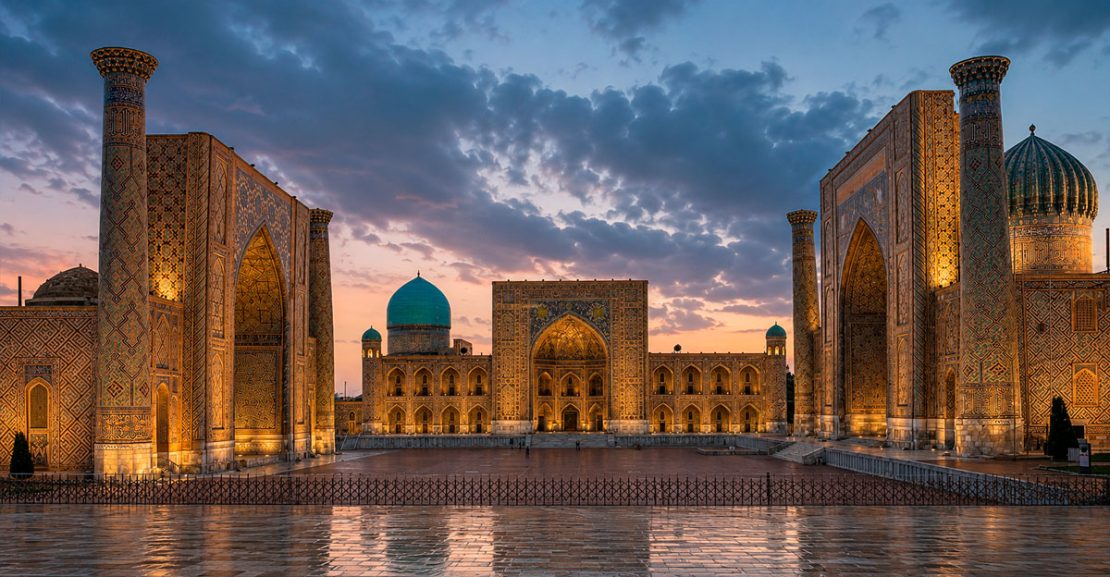
A road can reveal more than any guidebook when given enough time. Moving through Samarkand shows how the city actually works — through traffic patterns, narrow streets, and everyday routines that shape the experience beyond well-known landmarks. Planning the day in advance makes everything easier to manage, and services like Rent a car in Samarkand at great price from Gurosun help reach areas that remain outside typical routes.
Traffic Flow and Driving Habits
Driving in Samarkand requires attention to how people behave on the road rather than relying only on formal rules. The flow feels active, with drivers constantly adjusting to one another in real time.
Main roads near Registan Square and along major city routes maintain steady movement throughout the day. Vehicles keep a consistent pace, and awareness of nearby cars helps maintain control in changing situations.
Drivers react quickly, especially near intersections where timing matters. Keeping a reasonable distance and checking mirrors regularly helps avoid sudden situations and keeps the drive predictable.
Road Conditions and Navigation
Road quality and navigation play a key role in how comfortable the drive feels. Knowing what to expect allows better planning and reduces unnecessary surprises during the day.
Main Roads vs Side Streets
Primary routes connecting important parts of the city are generally well maintained. Roads toward Samarkand International Airport and major highways provide a stable and smooth surface.
Side streets often include a mix of conditions. Some sections remain in good shape, while others show wear or uneven surfaces, especially in older districts. Careful driving in these areas helps maintain stability and avoid discomfort.
Signage and Directions
Road signs are present across the city, with Uzbek and Russian used most frequently. English appears mainly near well-known attractions and central areas.
Navigation apps such as Google Maps provide reliable guidance in most cases. Keeping a general sense of direction helps when small differences appear between the map and the actual layout.
Parking and City Access
Parking requires planning, especially in areas where visitor traffic increases during the day. Understanding where to stop saves time and reduces unnecessary searching.
Finding a Spot in Busy Areas
Locations near Registan and Bibi-Khanym Mosque attract a steady number of visitors, which affects parking availability. Spaces fill up during the day, and informal parking organization is common.
Arriving earlier increases the chances of finding a convenient place. In some areas, attendants help arrange cars and usually expect a small tip.
Quiet Zones and Residential Areas
Residential districts provide more space and easier access for parking. Streets near Siab and Shah-i-Zinda offer more flexibility and less pressure when choosing a spot.
Leaving the car slightly outside busy areas and continuing on foot often saves time and makes the visit more comfortable.
Driving Beyond the City Limits
Routes outside Samarkand open access to wider landscapes and quieter surroundings. The experience becomes more focused on the journey and the environment along the way.
Routes Toward Historical Sites
Roads leading toward Afrasiab and Konigil village provide steady conditions and connect to historical locations that receive fewer visitors.
The surroundings gradually open up, with fewer buildings and more visible space. This creates a calmer and more consistent driving experience.
Countryside and Open Roads
Further routes pass through open areas with fields and distant hills. Traffic becomes lighter, and the road feels more spacious.
Small roadside stops offer tea and simple food. These breaks create a natural pause and allow a closer look at everyday life beyond the city.
Driving around Samarkand gives a clearer sense of how the city functions beyond its most recognized landmarks. Streets, neighborhoods, and surrounding areas come together to form a complete picture that becomes visible only through direct experience.